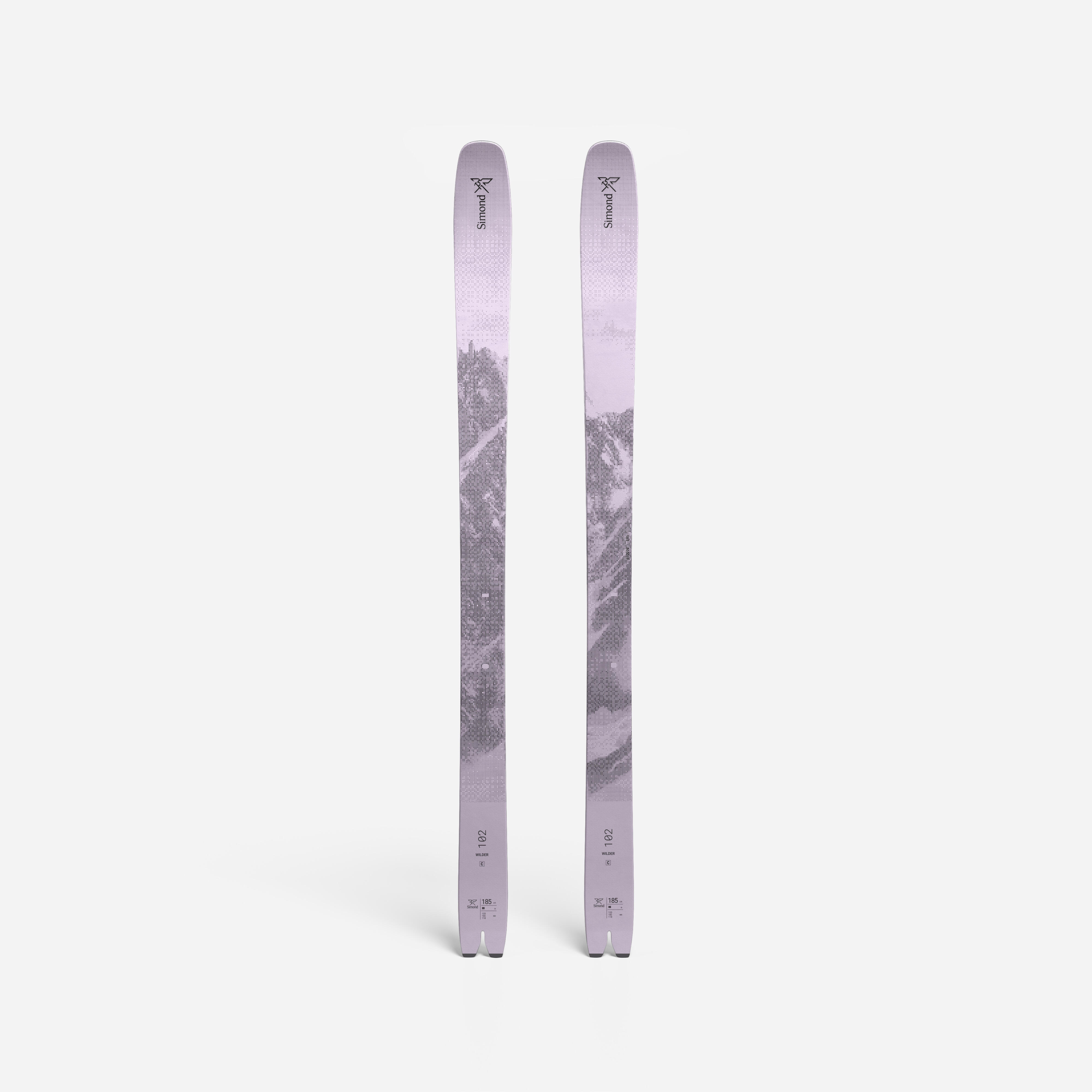
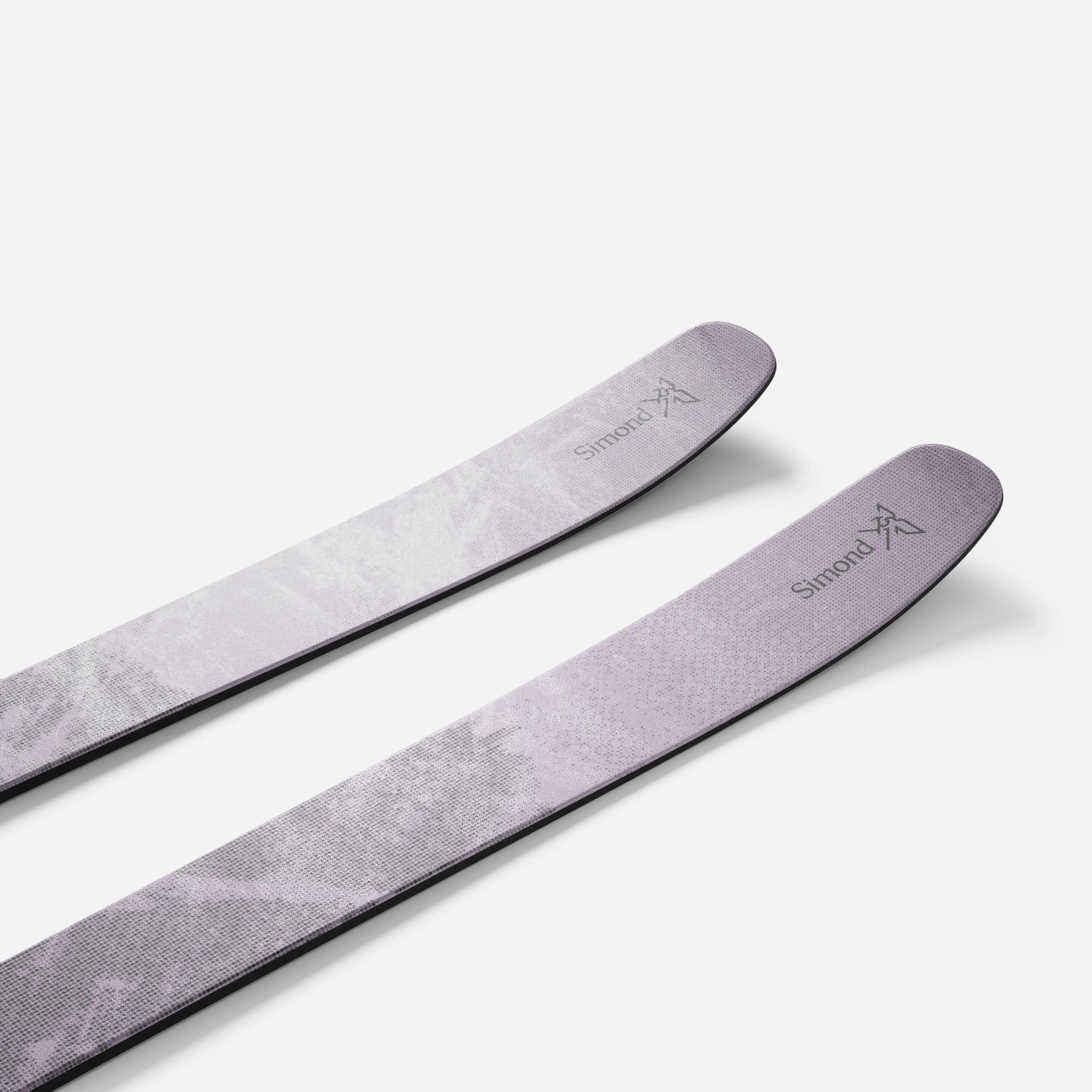
What skis are included in our Wilder range?
The Wilder series comprises three skis of different widths (85, 95 and 102 mm) to provide a waist width for every type of cross-country skier.
Ideal for starting cross-country skiing off the beaten track, the Wilder 85 is the most versatile, and can be used on all types of terrain.
The Wilder 95 has straighter lines and offers maximum grip on inclines and steep slopes.
Finally, the Wilder 102 has been designed for cross-country skiing enthusiasts looking for valleys.
Our range of Wilder skis: as a set (including bindings and skins) or just the skis - the choice is yours
Please note that these skis are sold on their own, without skins or bindings. This allows you to fit your own bindings and skins.
However, these skis are available with bindings, reference 8958380 (Wilder 95) or 8958389 (Wilder 102). Their younger brother, the Wilder 85, is also available, only with bindings (reference 9040769)
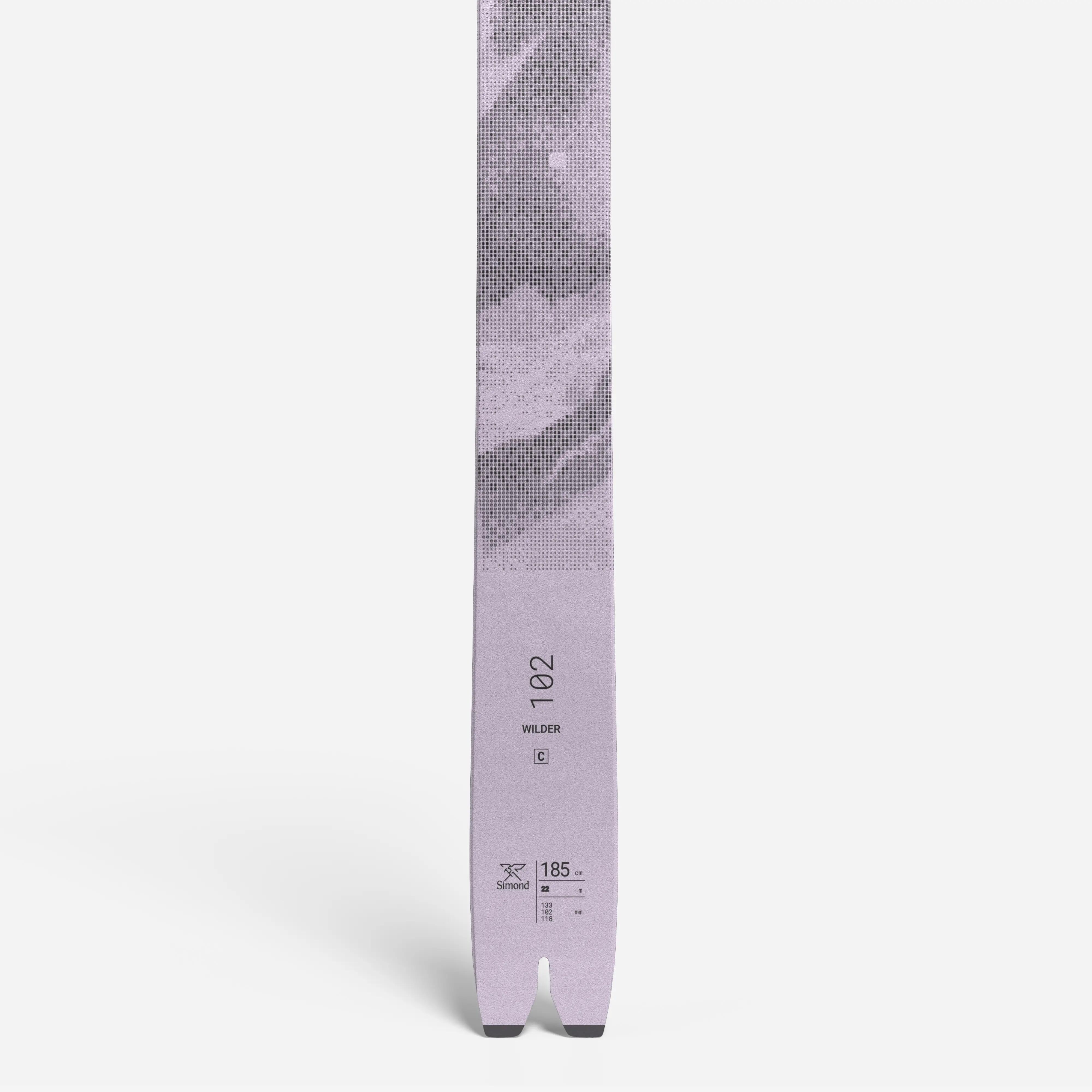
What are the characteristics of the Wilder 102 ski?
Ski weight 175 cm: 1,350 g (ski only)
Ski weight 185 cm: 1,440 g (ski only)
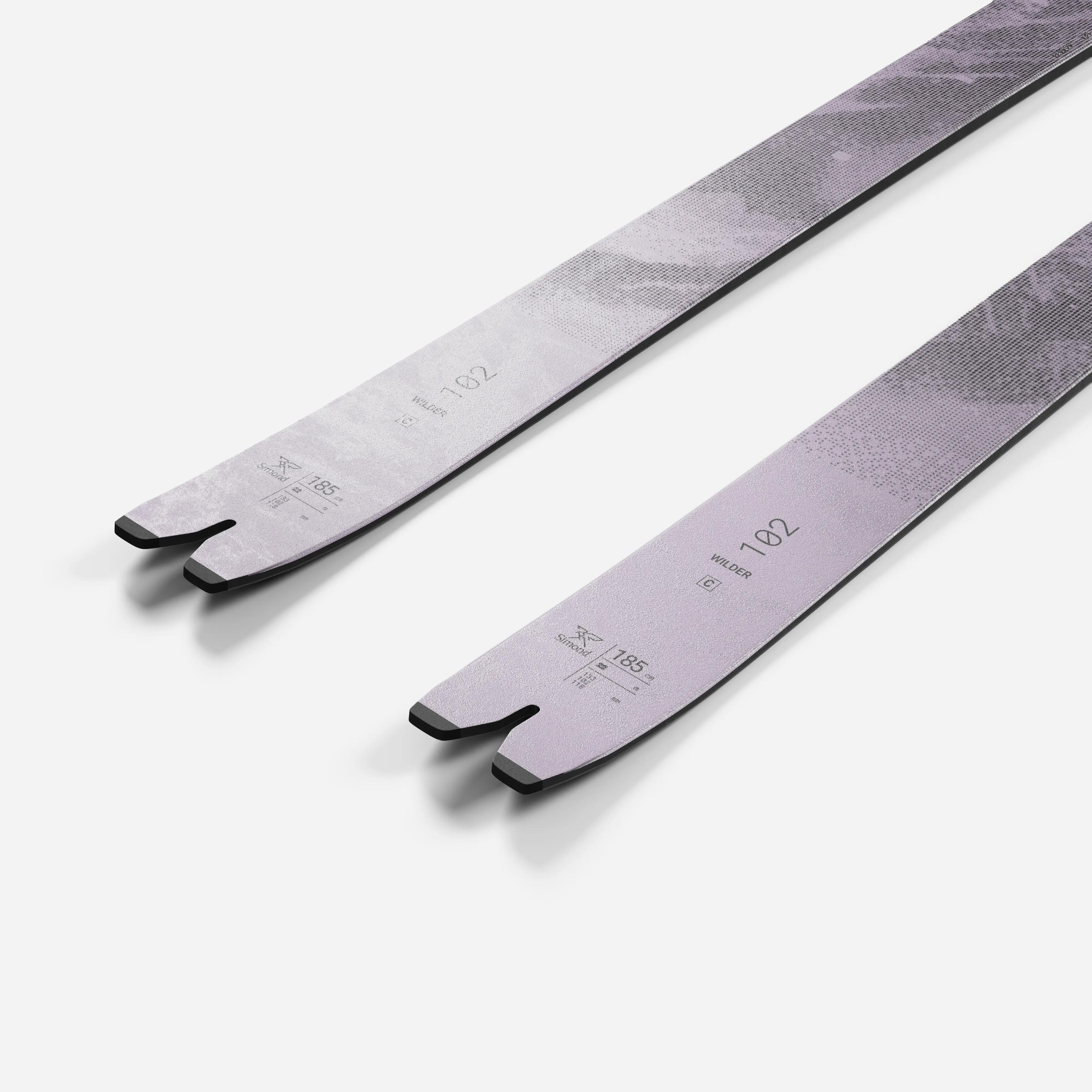
Sidecuts: 133/102/118 mm (in 185 cm)
Radius: 22 m
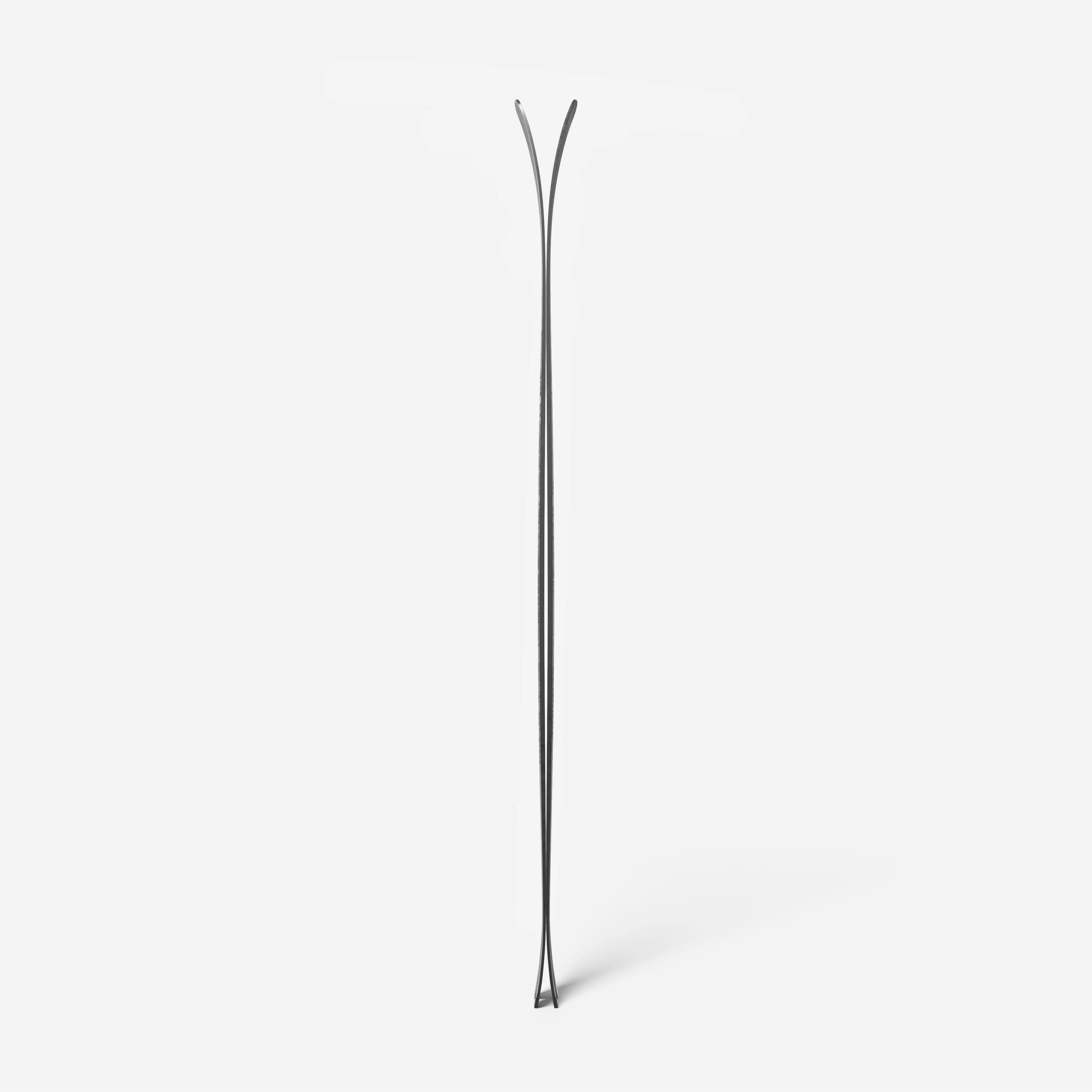
Profile: Rocker/Camber/Rocker
What materials have been used in the design of Wilder 102 skis?
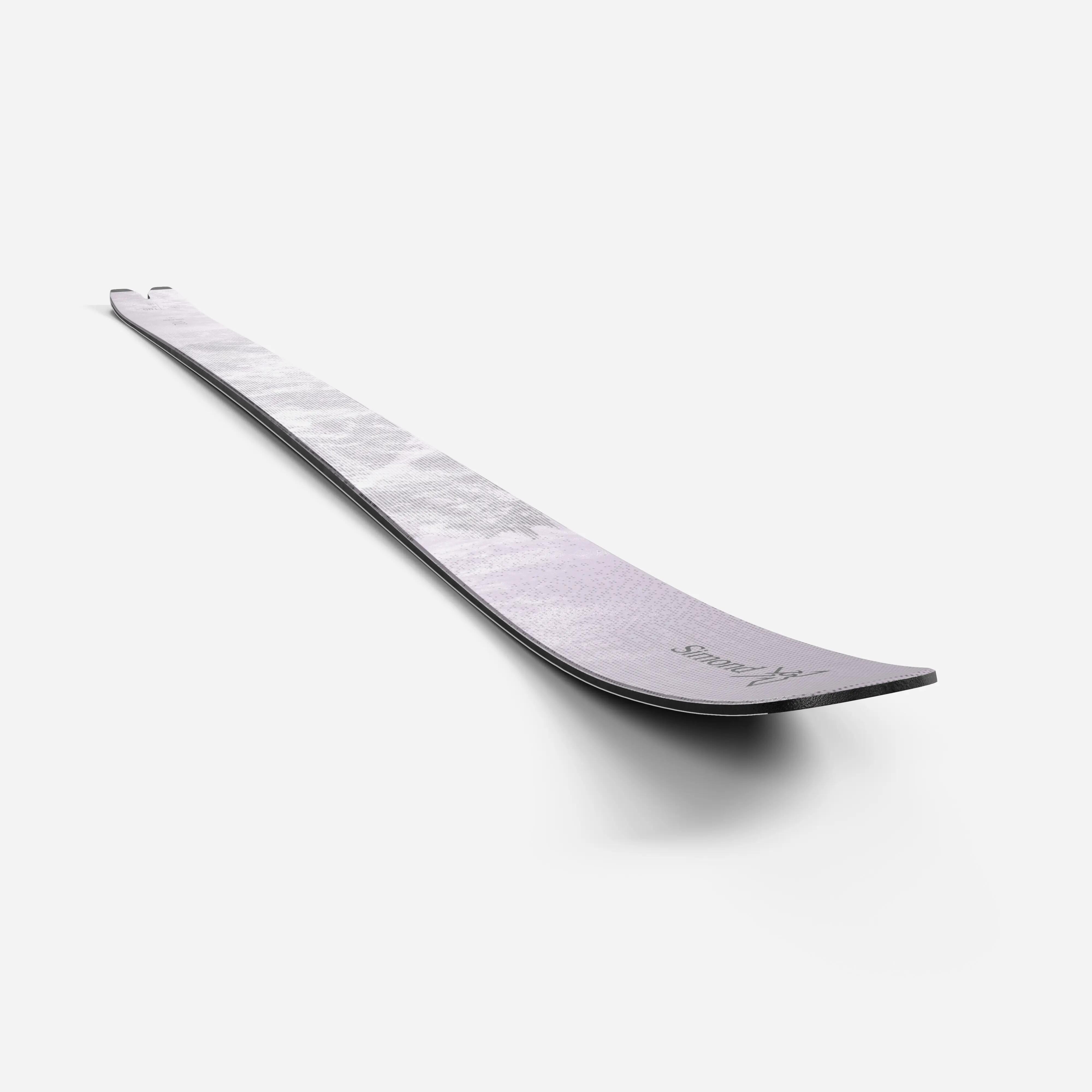
The Wilder 102 combines the low weight of paulownia wood with the durability of carbon. This combination provides both solid and extremely light skis, ideal for free cross-country skiers who favour efficiency during fast climbs in the mountains, without compromising on lift.
How have we improved the strength of this ski?
The semicap construction prevents chipping when the skis cross over.
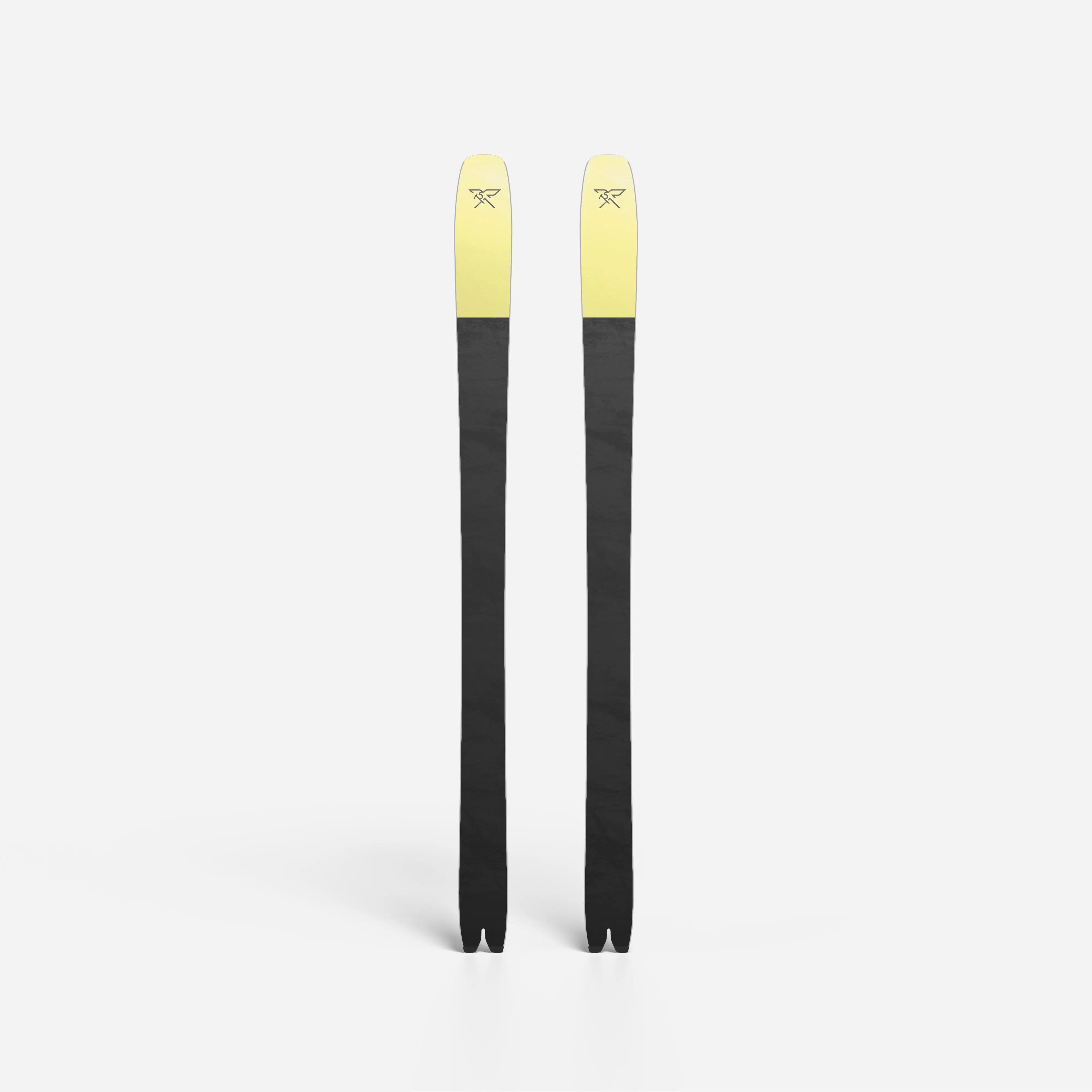
The black dominant soles ensure easy repair and facilitate glide.
Are the skis waxed and sharpened?
The skis are ready-to-use, waxed and sharpened.
The edges are sharpened at 89°.
What is the camber?
When putting the skis on the ground, the ski’s contact points on the snow are located near the tip and the tail. The centre of the ski (under the bindings) raises slightly: This is the camber.
The longer and higher the camber, the greater the edge grip and more responsive the ski.
The lower the camber, the more forgiving the ski and the better the handling.
What is the rocker?
On a “rocker” ski, the nose, and sometimes the tail, comes off the ground much sooner than with a cambered ski. The points of contact shift towards the centre of the ski and the surface area in contact with the snow is shortened.
The result? Greater ease of handling and better lift on soft snow. When leaning into turns, the edge length offers more grip on hard snow. The longer the rocker, the better the handling of the ski.
What are the sidecuts of a ski?
The sidecuts correspond to the measurements of the tip (front), the waist (middle) and the tail (rear). The wider the tip, the easier its entry into turns. The narrower the waist, the stronger the grip in hard snow. The wider the waist, the more comfortable and stable the ski is in different snow conditions.
How do I choose my ski size?
The shorter the skis, the easier they are to handle and the better suited they are to less experienced skiers. For cross-country skiing, we recommend choosing skis from -5 cm to -10 cm below your height.
The heavier or more powerful you are, the longer your ski can be.
For freerando use, it can be raised up to 5 cm above the waist.
For whom has the Wilder 102 been designed?
Its lightweight construction, versatile 22 m radius and skin attachment system make the Wilder 102 an efficient and reliable cross-country and freerando ski. It is suitable for advanced cross-country skiers looking for performance as well as passionate mountain lovers looking to push their limits.