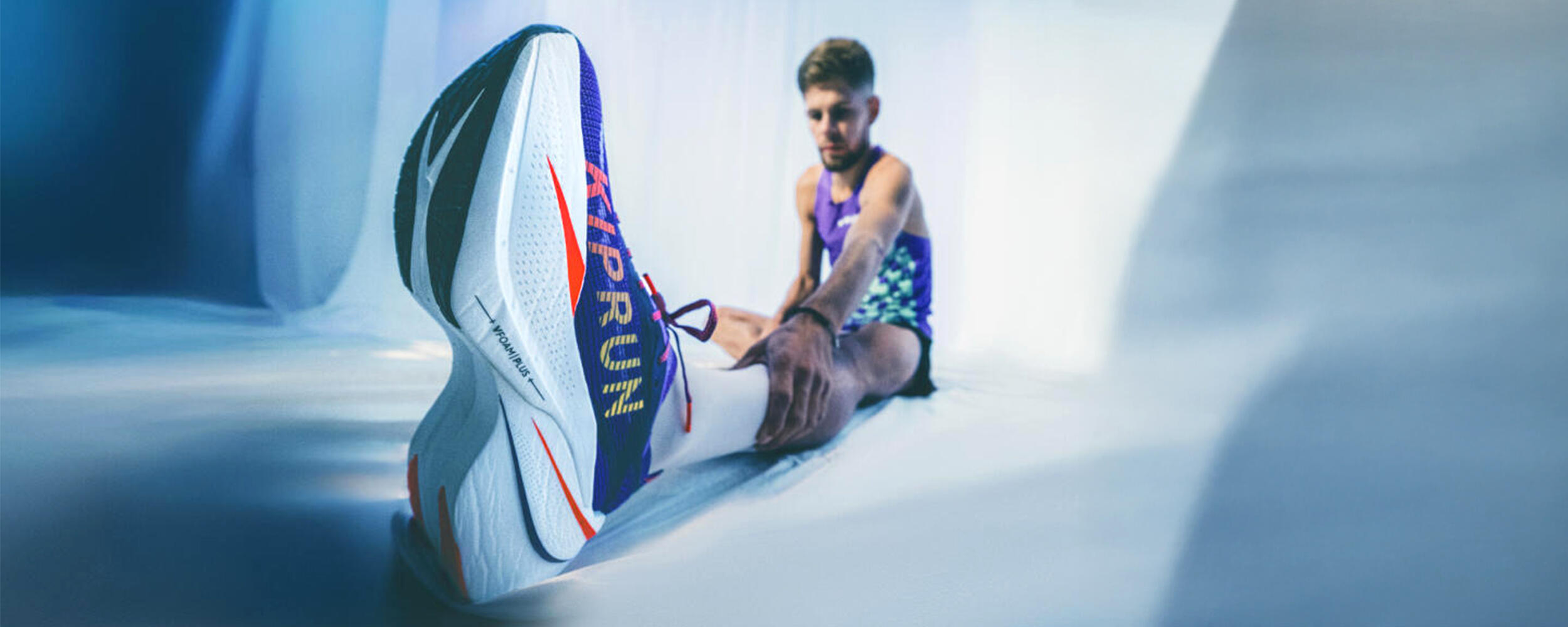
The perfect pair of running shoes does more than just look good—it supports your joints, matches your unique gait, and helps you stay injury-free. This guide will walk you through everything you need to know about terrain, cushioning, and running styles so you can lace up with confidence and hit the Maltese roads or trails.
1. Consider Your Running Surface
The terrain you run on directly impacts the type of shoe you need. Running along the Sliema promenade requires different support than tackling rocky off-road trails in the Maltese countryside.
- Road Running (Concrete & Tarmac): Hard surfaces require shoes with excellent shock absorption. Look for lightweight shoes with ample cushioning to protect your joints from repetitive impact.
- Trail Running (Uneven & Rocky Terrain): Trail running shoes offer enhanced traction, stability, and durability. They are designed to grip uneven surfaces and often feature water-resistant materials, making them ideal for muddy or unpredictable conditions. Avoid wearing trail shoes on concrete, as the stiff sole can cause discomfort.
2. Match Your Frequency and Speed
How often and how fast you run are great indicators of your runner profile. Here is a quick breakdown to help you match your routine to the right footwear:
| Your Running Routine | Recommended Shoe Type |
|---|---|
| Casual / 1-3 times a week | High cushioning for maximum comfort and joint protection. |
| Long runs (< 12 km/h) | Maximum cushioning to absorb shockwaves, plus added stability for long-distance support. |
| Fast-paced (> 12 km/h) | Lightweight, dynamic shoes that provide a responsive boost and energy return. |
| Racing & Personal Bests (> 14 km/h) | Ultra-lightweight, fast, and highly dynamic racing shoes. |
3. Understand Your Gait and Pronation
Pronation is the natural inward rolling of your foot as it strikes the ground. Understanding your gait helps prevent injuries like runner’s knee or shin splints.
- Check your old shoes: Look at the wear and tear on the soles. Even wear means you are a neutral pronator. Heavy wear on the inside heel and ball of the foot indicates overpronation. Heavy wear on the outside edge indicates underpronation.
- The Wet Test: Wet the bottom of your bare foot and stand on a blank piece of cardboard, bending your knees slightly. Step off and examine the footprint. A full footprint indicates flat arches (overpronation), while a very thin middle section indicates high arches (underpronation).
If you are an overpronator, look for Stability Shoes. These feature a firmer medial post or support wedge under the arch to minimize inward rolling, balancing your weight distribution and promoting a more natural stride.
4. Choose Your Cushioning Level
Cushioning balances softness, comfort, stability, and weight. Use this scale to find your ideal match:
| Cushioning Level | Best For | Characteristics |
|---|---|---|
| Level 5 | Half and full marathons | Top-level protection; handles high impact over long distances. |
| Level 4 | Daily jogs, walks, and races | Excellent performance and versatility; highly durable. |
| Level 3 | Energetic runs and fast tempos | Moderate cushioning; balances a natural feel with lightweight flexibility. |
| Level 2 | Competition and form development | Mild cushioning; highly flexible, allowing feet to adapt to the road. |
| Level 1 | Foot strengthening and training | Minimalist and ultra-light; offers very thin protection. |
5. Sizing and Socks
Getting the size right is just as important as the shoe model itself.
- Size Up: Your feet swell during a run. Always leave a thumb’s width of space between your big toe and the front of the shoe. Most runners size up by half a size to avoid blisters and bruised toenails.
- Invest in Running Socks: Especially in Malta's warm climate, moisture-wicking socks are crucial. Look for synthetic fibers or merino wool, featuring mesh ventilation and seamless toes. A good pair of breathable running socks prevents blisters and extends the life of your shoes.
Shop Our Best-Selling Running Shoes
Frequently Asked Questions (FAQs)
Most running shoes last between 500 to 800 kilometers before the cushioning breaks down. This equals about six months for regular runners or over a year for casual joggers. If you notice new aches or the midsole feels flat, it’s time to replace them—even if the exterior looks fine.
Yes. Road shoes are built for repetitive forward motion on flat surfaces. Trail shoes use grippier soles and sturdier uppers for uneven ground. Running trails in soft road shoes can lead to slipping, while running roads in trail shoes will feel stiff and heavy.
Neutral shoes are for runners whose feet stay fairly centered. Stability shoes add extra support around the arch to reduce excessive inward rolling (overpronation). If your knees collapse inward while running, stability shoes will help reduce strain.
It is not ideal. Running shoes absorb repeated impact and guide your foot through a forward stride. Gym shoes prioritize flat soles and lateral stability for lifting. If you run more than once a week, proper running shoes are a necessary investment for your joint health.